November 20, 2025
As the end of the year approaches, now is the perfect time to take a closer look at your dental insurance benefits. Many patients don’t realize that most dental plans operate on a “use it or lose it” system—meaning any unused coverage often disappears once the calendar resets on January 1st. Most people lose an average of $300-$1,000 annually in unused benefits.
Whether you’ve been postponing a cleaning, need to complete recommended treatment, or still have funds sitting in an FSA, acting now can save you money and help prevent bigger dental problems down the road.
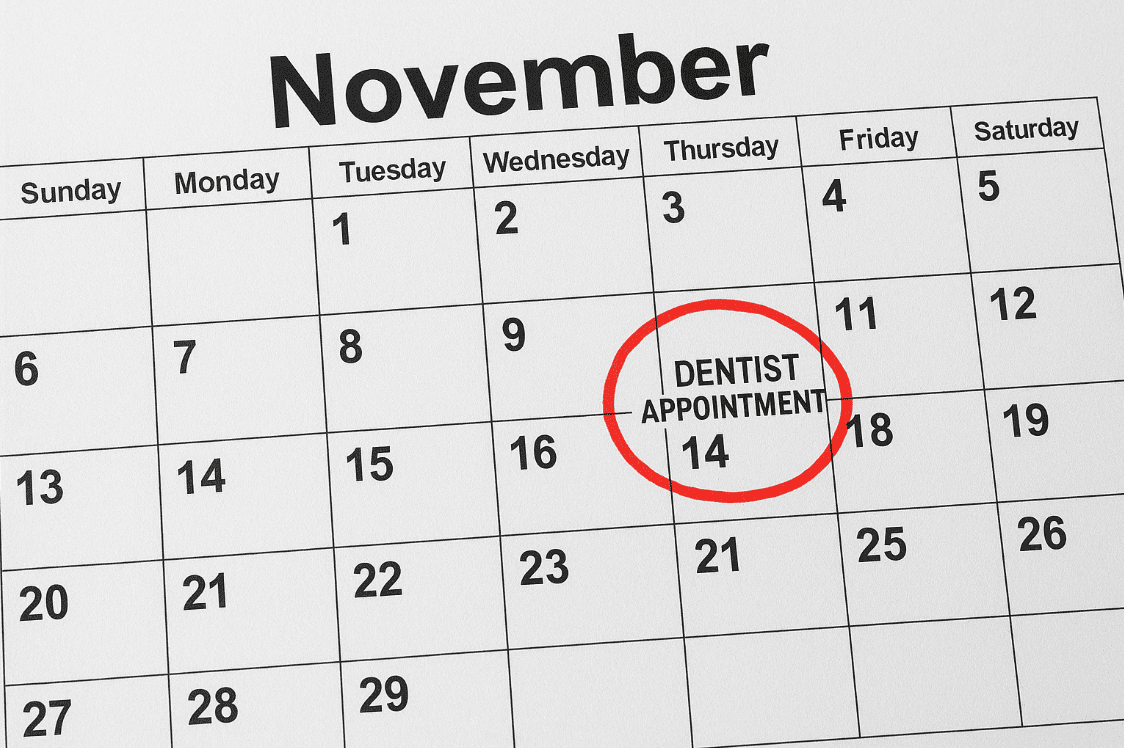
Do Dental Benefits Expire at the End of the Year?
Understanding how your dental benefits work can help you avoid losing valuable coverage. For most people with employer-sponsored or individual dental insurance, benefits reset on January 1st—meaning anything you don’t use in 2025 won’t be available in 2026.
Here’s a quick breakdown of what typically expires and what doesn’t:
Annual Maximums
Most PPO dental plans include an annual maximum, which is the total dollar amount your insurance will contribute toward your dental care each year. On January 1st, that amount resets. Unfortunately, unused benefits do not roll over, so if you don’t use your available coverage before December 31st, you lose it. This is one of the biggest reasons year-end is such an important time to schedule needed care.
Deductibles
Just like medical insurance, dental plans often have a yearly deductible—the amount you must pay out of pocket before insurance coverage applies. Deductibles also reset at the start of the new plan year. If you’ve already met your deductible for 2024, now is an ideal time to complete recommended treatment, since you’ll likely pay less out of pocket before your benefits renew.
Flexible Spending Accounts (FSA)
If you use a Flexible Spending Account (FSA) to help cover healthcare expenses, those funds usually follow a “use it or lose it” rule at year-end. For many plans, any money you don’t spend by December 31st is forfeited. However, some employers offer exceptions—such as a 2.5-month grace period (allowing you to use funds into March of the following year) or a carryover option that lets you roll over a portion of funds into the next plan year (the FSA rollover limit for 2025 to 2026 is $660). Because FSA rules vary, it’s important to double-check with your employer to understand your specific deadlines.
Health Savings Accounts (HSA)
A Health Savings Account (HSA) works differently from an FSA. HSA funds do not expire and continue to grow from year to year. The good news is that you can use HSA dollars for a wide range of dental services—including cleanings, fillings, crowns, periodontal treatment, and more. So while there’s no rush to spend HSA funds before year-end, they can be a smart way to offset costs for upcoming treatments.
What Dental Services are Best to Schedule Before the End of 2025?
If you still have unused dental benefits, now’s the perfect time to take care of the treatments you’ve been putting off. Here are the services most patients schedule before the year ends:
Preventive Care
Preventive visits are usually covered at or near 100%, making them an easy way to use remaining benefits.
• Professional cleanings
• Routine exams
• X-rays
• Oral cancer screenings
These visits help catch problems early—and keep your smile healthy heading into the new year.
Completing Recommended Treatment
If your dentist has suggested follow-up care from another recent appointment, year-end is a great time to complete it.
• Fillings
• Crowns
• Root canals
• Periodontal (gum) therapy
This is especially helpful if you’ve already met your deductible or still have annual maximum dollars left.
Cosmetic Procedures (When Eligible)
Some cosmetic treatments may qualify under FSA/HSA plans if they’re medically necessary.
• Whitening (limited cases)
• Cosmetic bonding or veneers (usually not covered by insurance, but may be eligible for FSA/HSA if tied to a medical need)
Always check your plan—coverage varies.
Long-Term Treatment Planning
Bigger treatments can sometimes be split across two benefit years to help manage costs.
• Orthodontics (braces or clear aligners) when plans include ortho benefits
• Implants and crowns that require multiple visits
• Multi-step restorative treatment plans
We can help you map out the best timing for your specific needs.
How Akron Smile Can Help
Navigating dental benefits can feel confusing, but you don’t have to figure it out on your own. At Akron Smile, we’re here to make the process simple and help you get the most from your remaining coverage before the year ends.
Here’s what we offer:
• Complimentary benefits check: We’ll review your insurance details, remaining annual maximum, and deductible status so you know exactly what’s available.
• Clear treatment estimates: Our team provides easy-to-understand cost breakdowns so there are no surprises.
• Flexible scheduling before year-end: Appointment times fill quickly in November and December—our team works hard to accommodate your needs.
• Personalized treatment planning: We can help prioritize or phase your care to make the best use of this year’s benefits—and next year’s if needed.
• Support with FSA/HSA use: Not sure what qualifies? We’ll help guide you so you can make informed decisions about using your funds.
Ready to schedule? Call or request an appointment to make the most of your dental benefits before 2026 hits!
Dental Health
What to Expect: Our Complete Patient Experience
At Akron Smile, your comfort and health are our top priorities. From the minute you walk in the door, our friendly and highly-trained team is here to guide you through every step of your dental health journey. We’re dental health nerds, so we’re happy to talk shop and field
How Oral Health Affects Your Overall Wellness
The New Year is the perfect time to make a new resolution—taking your dental health seriously. Maintaining optimal oral health is not just about having a bright smile; it’s a cornerstone of your overall wellness. At Akron Smile, we emphasize the integral connection between oral hygiene and systemic health,
Are E-Cigarettes Harmful To Your Oral Health?
People tend to assume that as dentists, we only care if our patients brush and floss their teeth regularly. While it’s true that we appreciate good at-home dental care, we know that oral health goes beyond brushing and flossing, and can be impacted by activities like smoking and vaping. For